LAST NIGHT FROM GLASGOW 23rd January 2026
The first thing that strikes on this collection is the wonderful voice. There’s a bit of The Roches in how Amy elides notes, a little touch of Joni Mitchell’s jazz moments and a clarity to the tone that makes everything honest. A warmth adds a sense of acceptance to the lyric explorations of a mind struggling with itself. The double bass has a rich depth that underpins and adds space to certain songs. Sharply open, the songs are written by David Paton, cataloguing his journeys in schizophrenia. Strangely, before I read the liner notes, I’d taken these as introspective singer-songwriter musings, rather than specific to mental illness, as they often deal in the musings that wake us at 2am or the feelings of a distraught mind.
Lyrics have a simple and direct approach but Amy’s voice adds insight to lyrics like: “I feel a bit light-headed, even though I’ve had my dinner.” Other songs cover things like shame at being an imperfect human. Others are diaristic but become word-paintings with the vocal melodies and finger-picked guitar. Splashes of piano mirror emotional states. The album has a sparse and intimate feeling, thanks to Amy Duncan playing as she sings, instead of recording separately. Of course, there is overdubbing and multi-tracking of vocals to enable warmer tones but there is a sense of a personal, room-sized performance. The result is a lot of space and an ability to focus on the lyrics and instrumentation together.
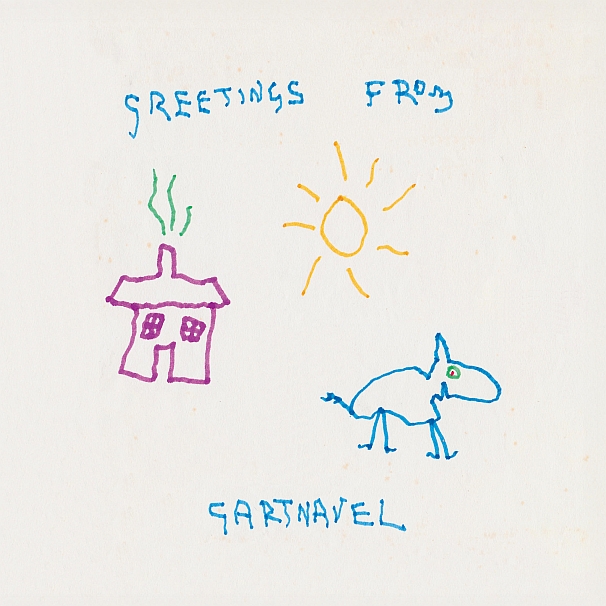
My mum used to write up Ronnie Laing’s notes at Gartnavel, so the title drew me to the album. A large and venerable mental hospital in Glasgow, David Paton has been an inpatient and clearly spent a lot of time reflecting on being ill but much of the album is a series of vignettes on the state of being human. ‘Pleasant and Forgiving’ tells us; “it isn’t easy, being human”. Others think about late night fears, textures of light, death or impermanence; none unique to the experience of being in and out of Gartnavel and are identifiable by any human soul.
This is the duo’s second collaboration, though the songs are written twenty years apart and Duncan has eight solo albums in her own name. It’s a remarkably affecting performance, transforming almost-prose into lyrics with the magic of music. It has something for anyone who loves that borderland between song and jazz, who likes someone to express the ineffable for them, bringing universality to the personal.
Ross McGibbon